Restore options
Early work develops relevant breathing, range, position, and low-threat movement options.
Movement restoration · St. Petersburg, Florida
A structured coaching process for people who are no longer in acute rehabilitation but still do not feel ready for generic fitness or unrestricted activity.
Direct answer
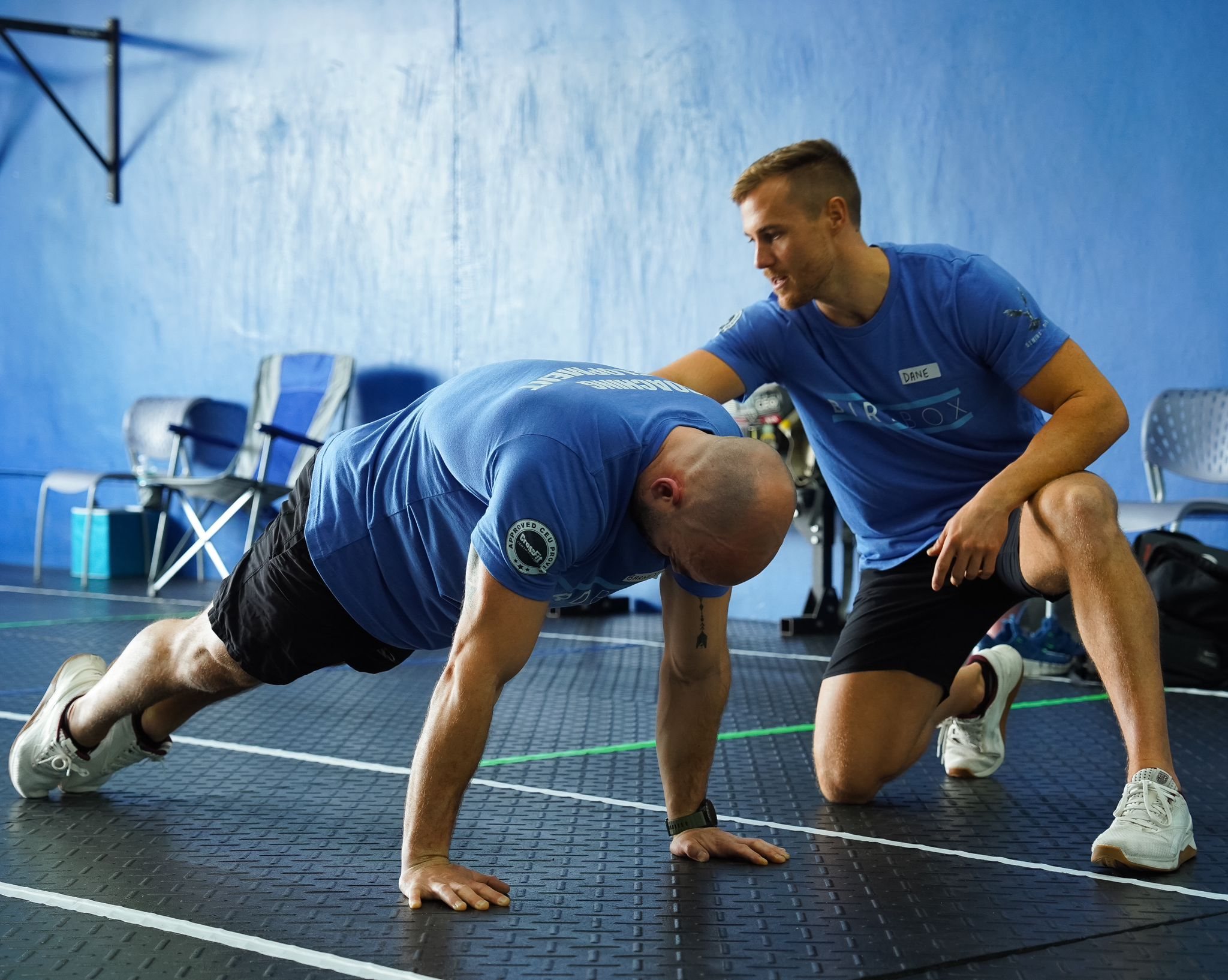
The Movement Restoration Program is individualized coaching that rebuilds mobility, control, strength, tolerance, and confidence after recurring limitations or incomplete rehabilitation. It is not medical treatment.
Who it helps
The work is adapted to your history, current capacity, and the activities you want to return to or develop.
The process
Early work develops relevant breathing, range, position, and low-threat movement options.
Control, strength, and tolerance are progressed through increasingly meaningful tasks.
Training reconnects restored qualities to the activities, skills, and environments you care about.
What you can expect
Why this approach
Physical therapy addresses medical rehabilitation. Generic fitness assumes you are ready for general training. Movement restoration occupies the coaching space between them, after medical needs are appropriately addressed.
The Mastery of Movement bridges rehabilitation, fitness, and long-term physical development. Coaching is educational, progressive, and designed to support independence rather than dependence.
Related services
Your best starting point depends on whether you need clarity, restoration, private progression, mobility development, or focused skill coaching.
Common questions
Clear answers before you book. For a personal recommendation, begin with the introductory assessment.
No. It is coaching, not medical diagnosis or treatment. It is designed for people who are appropriate for exercise but need a more thoughtful bridge into strength and activity.
Clearance may be appropriate when symptoms are new, significant, worsening, unexplained, or related to a recent injury or procedure. Coaching begins only when your situation is appropriate for training.
The program begins with assessment and may include private sessions, individualized practice, progress reviews, mobility, control, strength, and gradual exposure to meaningful tasks.
The timeline depends on your starting point, goals, response, schedule, and the demands you want to return to. The initial assessment is used to recommend a realistic plan.
Yes, with your permission. Collaboration can help coaching respect clinical recommendations and support a clear transition back to broader physical activity.
Start with clarity
The assessment identifies useful priorities and gives you a practical recommendation before you commit to ongoing coaching.